
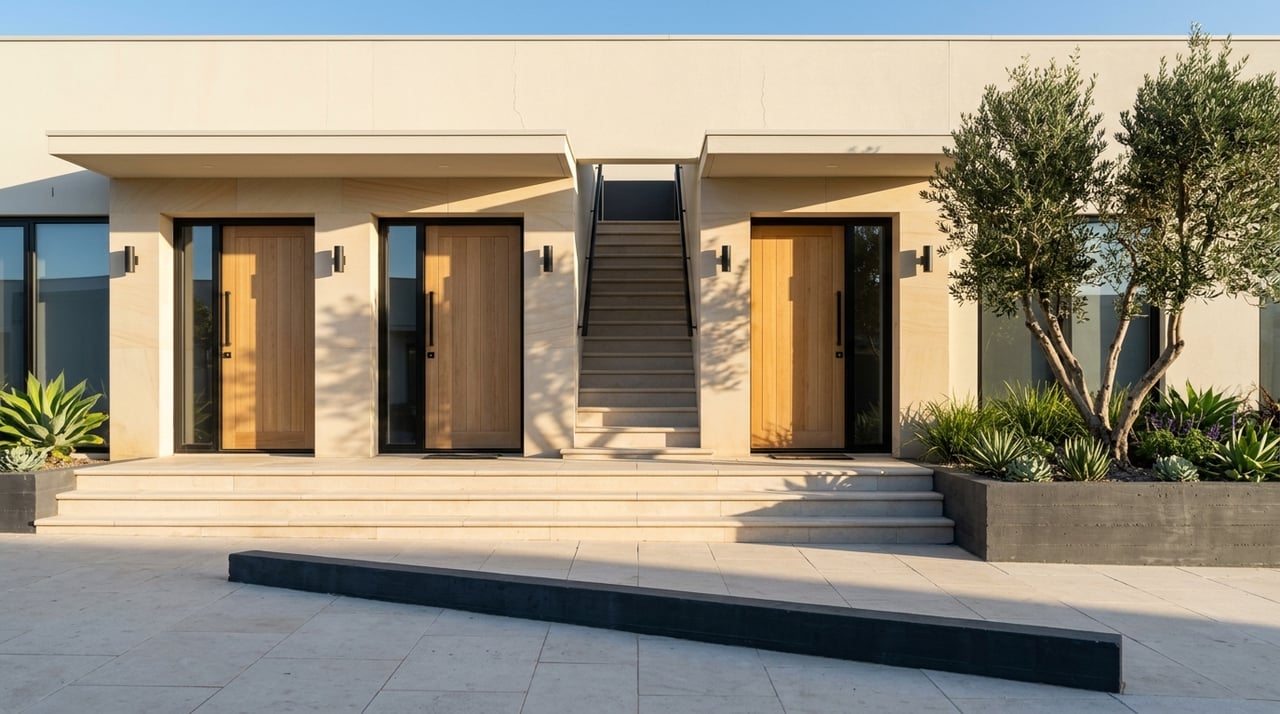
You can find a condo and a townhome in Aliso Viejo that look surprisingly similar on paper, yet feel very different once you factor in layout, HOA structure, upkeep, and monthly cost. If you are trying to decide which one fits your lifestyle and budget, the label alone will not give you the full answer. This guide breaks down how attached-home ownership works in Aliso Viejo, what trade-offs to watch, and how to make a smarter side-by-side comparison before you buy. Let’s dive in.
Why this choice matters in Aliso Viejo
Aliso Viejo is not a market where condos and townhomes sit on the sidelines. The city’s housing mix includes a large share of attached homes, with SCAG reporting 26.2% single-family attached and 35.2% multifamily 5+ units in 2018. That means if you want to buy in Aliso Viejo, there is a good chance your best options will include both condos and townhomes.
The city also functions as both a city and a master-planned community. According to the city, AVCA handles common-area maintenance for parks, greenbelts, parkways, and slopes, while the city handles building and safety, police protection, public works, and street maintenance. For buyers, that layered structure can affect fees, maintenance, and how a community operates day to day.
Price differences are smaller than many buyers expect
One reason this decision can feel tricky is that the pricing gap is not always dramatic. As of March 2026, Redfin reported median sale prices of $820,000 for condo/co-op homes and $802,500 for townhouses in Aliso Viejo, while single-family homes were much higher at $1,438,500. Current listing medians also showed $739,000 for condos and $887,000 for townhouses.
That tells you two important things. First, both condos and townhomes can be realistic entry points into Aliso Viejo compared with detached homes. Second, asking prices and closed-sale prices do not always line up, so you need to compare the full financial picture, not just the list price.
Condo vs townhome is not always a legal distinction
In Aliso Viejo, the marketing label can be misleading. Local listings sometimes describe a home as a townhome even when the legal property type is condo. If you are choosing between the two, you should not rely on listing language alone.
In California, what matters is often whether the property is part of a common interest development. The California Department of Real Estate explains that these communities can include detached homes, townhouses, garden-style units, and condominium units, and that buying into one means automatic membership in the association. That is why the governing documents matter as much as the floor plan.
What ownership usually looks like
A condo in Aliso Viejo often means a lower-level flat, upper-level home, carriage unit, or stacked unit. Recent local examples include homes around 1,047 to 1,361 square feet, with features such as side yards, attached garages, corner locations, or carports. Some listings also note that HOA dues may cover items like water or trash.
A townhome often lives more like a compact house. Current examples include a 2-bedroom plus loft layout at 1,649 square feet, a 4-bedroom home around 1,700 square feet with a large patio, and even a 3-bedroom live/work townhome at 2,857 square feet. In practical terms, townhomes often offer more vertical separation, more rooms, and more private outdoor space.
The real question: how do you want to live?
If you prefer a simpler footprint and less day-to-day upkeep, a condo may be the better fit. Condos can work well for buyers who want a lower-maintenance path into Aliso Viejo and are comfortable with a shared-community environment. That said, lower maintenance does not always mean lower total monthly cost once dues are added in.
If you want more bedrooms, an extra bath or powder room, a garage, a patio, or more separation from neighbors, a townhome may feel more natural. Many buyers see townhomes as a middle ground between a condo and a detached home. You still stay below typical single-family pricing, but you often gain more usable space and a more house-like layout.
HOA costs can change the math fast
This is where Jeff Engstrom’s finance-first lens matters most. In Aliso Viejo, the better value is not always the home with the lower purchase price. The better value is often the home with the stronger all-in monthly cost once you account for dues, taxes, and ongoing obligations.
Recent listing examples showed HOA dues ranging from about $148 to $690 per month, with many homes falling in the high-$200s to mid-$500s. One Harbor Station listing showed three separate assessments: $185 for the primary HOA, $165 for a second maintenance HOA, and $47 for AVCA, for about $397 total before mortgage, taxes, and insurance.
That is why you should compare attached homes using a full monthly budget, not a headline price. A condo with a lower purchase price but higher dues can end up costing as much as, or more than, a townhome with a higher list price and lower monthly fees.
What HOA dues may cover
HOA coverage varies a lot by community. In some Aliso Viejo neighborhoods, dues may help cover water, trash, exterior maintenance, landscaping, or shared amenities. In others, the focus may be more on greenbelts, pools, spas, clubhouses, BBQ areas, playgrounds, or common-area upkeep.
Under California Civil Code 4775, unless the governing declaration says otherwise, the association maintains the common area, the owner maintains the separate interest, and exclusive-use common area is generally maintained by the owner while the association handles repair and replacement. In plain English, you need to know exactly where the association’s responsibility stops and yours begins.
Rules matter as much as dues
The California Department of Real Estate notes that association rules often govern things like parking, balconies, landscaping, and modifications. So if you are comparing a condo and a townhome, do not stop at square footage and photos. Ask how the community handles everyday use, changes to the property, and shared spaces.
This is especially important if you want flexibility later. California law allows common interest developments to adopt and enforce rules prohibiting transient or short-term rentals of 30 days or less. If future rental potential matters to you, verify the CC&Rs before you fall in love with the home.
Special assessments and fee increases deserve attention
Monthly dues are only part of the story. The DRE explains that regular assessments fund operating and reserve costs, and special assessments may be levied for major repairs or unexpected expenses. It also notes that regular assessments generally cannot be increased by more than 20 percent per year without owner approval.
For you as a buyer, this means the association’s financial health matters. A home can look affordable upfront, but if reserves are thin or major repairs are looming, your true carrying cost may be higher than expected.
Do not forget Mello-Roos
Aliso Viejo buyers also need to check property taxes carefully. The city states that one Mello-Roos district affects a small number of properties, while two other districts affect almost all properties in the city. You should never assume the tax bill from the list price alone.
When you compare a condo and a townhome, review the estimated property tax bill, Mello-Roos if applicable, and every HOA layer together. That combined number gives you a much clearer view of affordability than price per square foot ever will.
A simple framework for making the call
If you are torn between a condo and a townhome in Aliso Viejo, use this short checklist:
- Compare the all-in monthly payment, not just price
- Confirm the legal property type in the documents, not just the listing
- Review CC&Rs, bylaws, and association rules before writing an offer
- Ask what the HOA covers and what you maintain yourself
- Check for multiple HOA fees and AVCA-related assessments
- Review the property tax bill for Mello-Roos
- Think about your next 3 to 5 years, including space, upkeep, and rental plans
Which one tends to fit best?
A condo often fits buyers who want easier upkeep, a smaller footprint, and a more accessible way into the Aliso Viejo market. Given the city’s household profile, with 73.4% of households at three people or fewer in SCAG’s profile, that demand pattern makes sense locally.
A townhome often fits buyers who want more space and privacy while still staying below detached-home pricing. If you want the feel of a small house, a garage, or a more flexible layout, the townhome side of the market may deserve a closer look.
The smartest decision is the one that fits your numbers and your life
In Aliso Viejo, the condo-versus-townhome decision is rarely about the label alone. It is usually about how much space you need, how much upkeep you want, how comfortable you are with HOA structure and rules, and what the true monthly cost looks like when every fee is counted.
That is where a more analytical approach can save you money and stress. If you want help comparing attached-home options in Aliso Viejo through both a lifestyle and financial lens, reach out to Jeff Engstrom for a clear, tax-smart conversation about your next move.
FAQs
Is a townhome always legally different from a condo in Aliso Viejo?
- No. Local listing marketing may call a home a townhome even when the legal property type is condo, so you should confirm the legal classification in the title documents and governing documents.
What do HOA dues usually cover in an Aliso Viejo condo or townhome?
- Coverage varies by community, but dues may go toward common-area maintenance, landscaping, exterior upkeep, water, trash, and amenities like pools, spas, clubhouses, greenbelts, BBQ areas, or playgrounds.
Why can an Aliso Viejo home have more than one HOA fee?
- Because Aliso Viejo includes master-planned community layers, a property may have a master association, a sub-association, a maintenance association, or AVCA-related assessments.
Can HOA dues increase for an Aliso Viejo condo or townhome?
- Yes. Regular assessments fund operating and reserve costs, and special assessments may also be charged for major repairs or unexpected expenses, subject to California rules and the association’s governing documents.
Are short-term rentals allowed in all Aliso Viejo condo and townhome communities?
- No. Common interest developments in California may adopt and enforce rules that prohibit transient or short-term rentals of 30 days or less, so you should verify the CC&Rs if rental flexibility matters to you.