
If you want a town in South Orange County that feels grounded in history and connected to the outdoors, San Juan Capistrano stands out fast. You are not just choosing a place on a map here. You are stepping into a city shaped by a historic mission core, preserved streetscapes, creek corridors, and a trail network that supports how people move through daily life. If you are considering a move, this guide will help you understand what living in San Juan Capistrano is really like. Let’s dive in.
San Juan Capistrano has a distinct identity
San Juan Capistrano has a character that is hard to confuse with anywhere else in Orange County. The city’s story is closely tied to Mission San Juan Capistrano, which was permanently founded on November 1, 1776 as the seventh of the 21 Alta California missions. City and mission sources describe it as a defining historic landmark, and that influence still shapes the look and feel of the community today.
That identity is not limited to one site. The city’s historic resources include the mission, downtown buildings, the Los Rios Street Historic District, and the Mission Hill-Mission Flats area. Together, those places create a layered historic core that feels more like a living district than a single attraction.
Mission district living feels rooted
For many buyers, the appeal starts with the mission area and nearby village center. The Great Stone Church, completed by 1806 and later damaged in the 1812 earthquake, remains part of the city’s historic narrative and visual memory. That sense of continuity gives the area a depth that many newer communities simply do not have.
You can also see that history in the layout of the downtown core. Streets, preserved buildings, and civic landmarks come together in a way that supports walking and everyday exploration. If you value places that feel established and intentional, this part of San Juan Capistrano often leaves a strong impression.
Los Rios adds another layer
Just north of Del Obispo between Los Rios Street and Paseo Adelanto, the Los Rios Historic District adds to the city’s appeal. The city describes it as one of the oldest residential districts in California. That fact helps explain why this area feels so visually memorable.
Rather than presenting history as something separate from daily life, San Juan Capistrano weaves it into the community fabric. That can matter if you are looking for a place with a strong sense of place, recognizable architecture, and a town center that feels genuinely established.
Preservation shapes the village feel
San Juan Capistrano’s small-village atmosphere is not accidental. The city has an active preservation program and adopted the motto Preserving the Past to Enhance the Future in 1996. It also maintains designated landmarks, supports a Cultural Heritage Commission, and sponsors preservation-focused programs like docent training and Historic Preservation Week.
From a lifestyle perspective, that means the city’s appearance is supported by policy, not just preference. The Community Design Element says the city’s identity depends on protecting hillsides, major creeks, views, and historical character while maintaining a small-village, rural atmosphere. For you as a buyer, that can translate into a setting with a more consistent visual identity over time.
Design standards support continuity
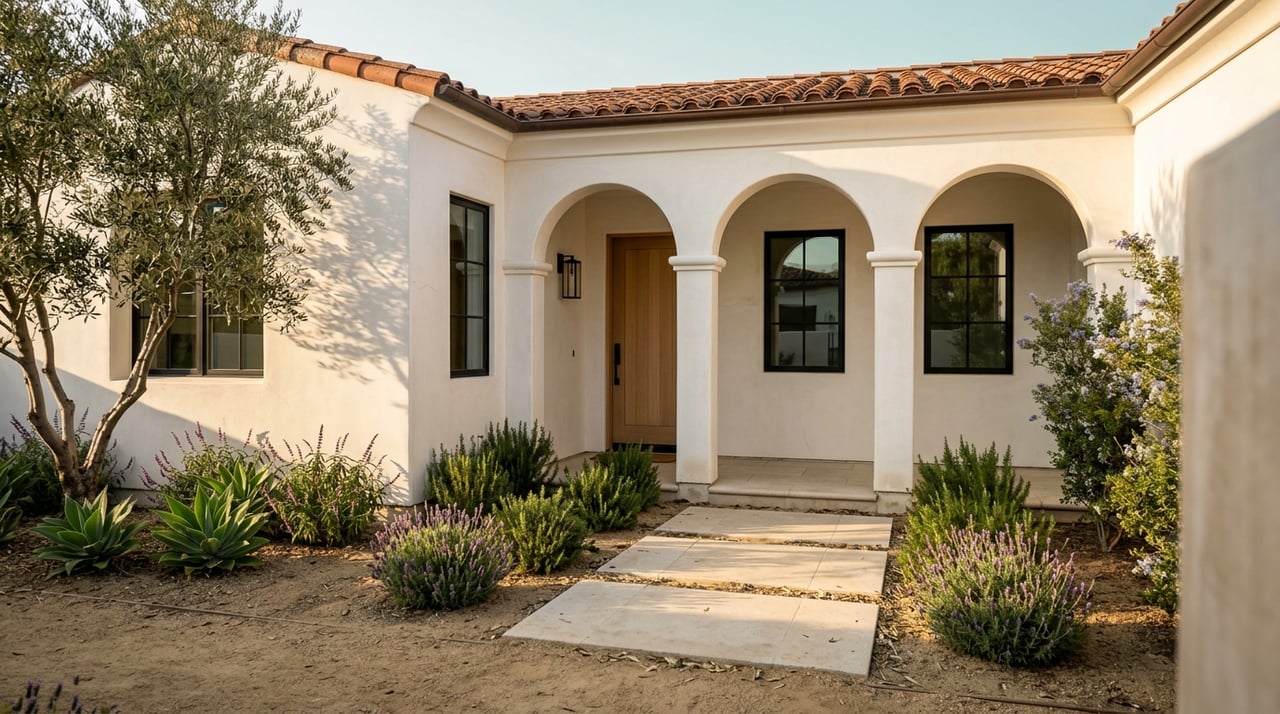
The city’s planning documents also state that new development should complement San Juan Capistrano’s traditional and historic character through site design, architecture, and landscaping. Citywide Architectural Design Guidelines were adopted in 2003 for a range of land uses. In practical terms, that reinforces the sense that the city values cohesion.
If you are comparing San Juan Capistrano with nearby communities, this is one of the clearest differences. The local environment is shaped by both preservation and design review, which helps support the low-rise, historically layered feel many people associate with the city.
Trails are part of daily life
San Juan Capistrano is not only about historic streets and landmarks. The city’s Parks and Recreation Element says it already has an extensive trail system for bicycles, hikers, and horses. That matters because the outdoor network is part of how the city functions, not just a weekend amenity.
Public Works maintains public trails, and current city information says the system allows different bicycle types, including e-bikes, while trail safety policy remains under review. If you like the idea of connecting errands, exercise, and recreation through a wider trail network, this is a meaningful part of the local lifestyle.
Key trails to know
Several named routes help define movement through the city:
- Robert McCollum Memorial Bicycle Trail along Camino Capistrano
- Trabuco Creek Trail along Trabuco Creek and Paseo Adelanto
- Caballo Trail along Rancho Viejo Road
- San Juan Creek Trail running from Doheny State Beach inland to Descanso Park, where it meets the Trabuco Creek Trail
These routes help create a connected system rather than isolated paths. Even city project updates, like detour information tied to bridge replacement work, show how people move between Camino Capistrano, Del Obispo Street, and the Trabuco Creek trail levee as part of a larger loop.
Equestrian culture still matters
San Juan Capistrano has long been associated with horses, and that remains part of the city’s identity. The Parks and Recreation Element notes that equestrian facilities are part of the community’s quality of life. The city also continues to plan for trails that support horses alongside bicycles and pedestrians.
That does not mean every resident lives an equestrian lifestyle. It does mean the city has preserved an outdoor culture that feels different from more densely built coastal areas nearby. If you value a community where trails, open land, and horse-friendly infrastructure remain visible, San Juan Capistrano offers that experience.
Open space is a major feature
One of the strongest quality-of-life advantages in San Juan Capistrano is the amount of open space built into the broader setting. The city’s Conservation and Open Space Element says the landscape is shaped by parks, creeks, agricultural land, hillsides, ridgelines, and canyons. Those features do more than look attractive. They help define the city’s overall rhythm and scale.
According to the General Plan, open-space designations account for approximately 2,649 acres, or about 30 percent of the city’s total acreage. That is a major share of land, and it helps explain why San Juan Capistrano often feels more open and less compressed than other parts of the region.
Creeks and corridors shape the landscape
San Juan, Trabuco, and Oso Creeks are identified by the city as important open-space resources and biological corridors. For residents, that creates a physical framework that influences views, trail connections, and the city’s natural edges. It also supports the sense that the built environment and the landscape are closely linked.
This relationship between town and terrain is a big part of daily life. Instead of feeling cut off from the outdoors, many parts of the city feel connected to creeks, canyons, and preserved land in a very visible way.
Outdoor access goes beyond city limits
Living in San Juan Capistrano also puts you close to larger regional open space. Ronald W. Caspers Wilderness Park on Ortega Highway is an 8,000-acre protected wilderness preserve with hiking, biking, and equestrian trails, equestrian camping, and day-use access. That nearby access expands the outdoor options beyond the city trail system.
For you, this can mean a lifestyle that balances a historic town center with quick access to broader wilderness settings. That combination is one of the city’s clearest strengths. It can feel like a village environment with a much larger natural backdrop just beyond it.
What daily life often feels like
In practical terms, San Juan Capistrano tends to appeal to buyers who want more than just a convenient address. The city offers a mix of historic context, open space, and an outdoor-oriented layout that shapes how you experience everyday life. Walking routes, trail connections, and preserved districts all contribute to that feeling.
It is also a city where visual consistency matters. Planning policies emphasize protection of views, hillsides, creeks, and historical character, which helps support a recognizable sense of place. If you are drawn to communities with continuity and identity, that can be a major advantage.
Why buyers look closely here
San Juan Capistrano can make sense for buyers who are thinking about both lifestyle and long-term fit. A city with a clearly defined identity, established historic resources, and significant open space often appeals to people who value setting as much as square footage. The trail and open-space network also adds daily utility, not just scenic appeal.
When you evaluate a move here, it helps to look beyond the home itself. Think about how often you would use the trails, how important a preserved town center is to you, and whether a more rural, village-like atmosphere matches your goals. Those are the details that often shape satisfaction over time.
If you are weighing San Juan Capistrano alongside other South Orange County options, a clear, financially grounded strategy matters. Working with an advisor who can help you assess both lifestyle fit and the numbers behind a purchase can make the process much more focused. For tailored guidance on buying, selling, valuation, or tax-aware real estate planning in Orange County, connect with Jeff Engstrom.
FAQs
What is San Juan Capistrano known for?
- San Juan Capistrano is known for its historic mission core, Los Rios Historic District, preserved village character, equestrian culture, and extensive trail and open-space system.
How much open space is in San Juan Capistrano?
- The city’s General Plan states that open-space designations account for about 2,649 acres, or roughly 30 percent of the city’s total acreage.
What trails are available in San Juan Capistrano?
- City planning documents identify the Robert McCollum Memorial Bicycle Trail, Trabuco Creek Trail, Caballo Trail, and San Juan Creek Trail as key parts of the local network.
Does San Juan Capistrano have a walkable historic area?
- Yes. The city describes a self-guided Historic Walking Tour through the village core that links major historic sites.
How does San Juan Capistrano preserve its character?
- The city supports preservation through designated landmarks, a Cultural Heritage Commission, architectural guidelines, and planning policies that protect historical character, creeks, hillsides, and views.