
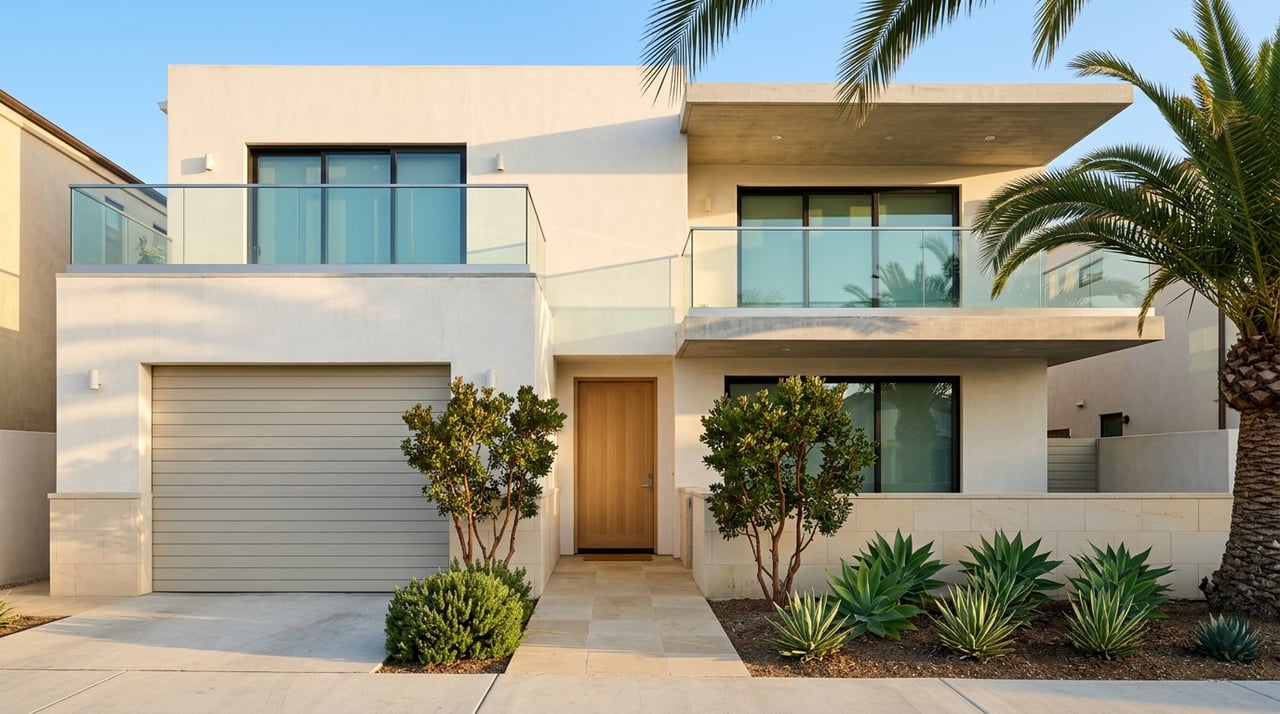
If you are deciding between a condo and a house in San Clemente, the price gap can make the answer seem obvious at first. But once you look beyond the sticker price, the better choice often comes down to how you want to spend your money, your time, and your risk. This guide will help you weigh the real tradeoffs so you can choose with more confidence. Let’s dive in.
San Clemente Price Gap
In San Clemente, condos and houses sit in very different price ranges. An April 2026 local market report showed a median sold price of $1.929 million for single-family homes and $935,000 for condos.
That means the typical condo sold for about 48.5% of the detached-home median. Current listing data also point to the same pattern, with condo asking prices well below the broader citywide home median. If you want a lower entry point into this coastal market, condos are often the first place buyers look.
Why Houses Stay Scarce
San Clemente is not a market with endless room to build. The city’s Housing Element notes that much of the Coastal Zone is already built out, and additional development faces coastal-zone and setback constraints.
For you as a buyer, that matters because limited detached-home supply can help keep houses competitive and expensive. It also helps explain why condos remain a practical option for buyers who want San Clemente but are not ready for the cost of a detached property.
Monthly Cost Matters More
A lower price does not always mean a lower ownership cost. The more useful comparison is your total monthly carrying cost, not just the purchase price.
For a condo, that usually means adding together:
- Mortgage payment
- Property taxes
- Insurance for your unit and belongings
- HOA dues
- Any possible reserve-related or special assessments
For a house, the monthly picture usually includes:
- Mortgage payment
- Property taxes
- Homeowners insurance
- Owner-paid maintenance and repairs
This is where buyers can get surprised. A condo may look far more affordable on the MLS, but HOA dues can narrow the gap faster than expected.
How HOA Costs Affect Condos
California law requires homeowner associations to collect enough through assessments to meet obligations. Associations must also complete a reserve-study visual inspection at least every three years and review that study annually.
There are limits on how much boards can generally raise regular assessments or impose certain special assessments without member approval, though emergency exceptions can apply. In practical terms, that means you should not treat HOA dues as static. You want to know what the dues are today, how strong reserves look, and whether additional costs may be ahead.
Taxes Apply to Both Choices
Whether you buy a condo or a house in San Clemente, property taxes deserve close attention. In Orange County, a change in ownership triggers reassessment based on taxable value.
If the new market value differs from the prior owner’s taxable value, the county may issue a Notice of Supplemental Assessment and a supplemental tax bill or refund. Orange County also states that new owners are responsible for property tax payments as soon as they acquire the property. That means your post-closing costs may include more than your initial escrow estimates.
Insurance Is Not One-Size-Fits-All
Insurance works differently for condos and houses, and that can change your budget. According to the California Department of Insurance, condo unit-owner insurance typically covers your personal property, liability, loss of use, and interior damage or improvements, while the HOA generally insures the building structure and common areas.
For detached houses, your homeowners policy should be based on rebuilding cost, not market value. The state also notes that earthquake coverage is optional, and condo owners may need coverage tied to association assessments related to earthquake damage. In either case, insurance should be part of your side-by-side comparison before you commit.
Condos Offer Convenience
For many buyers, the biggest condo advantage is not just price. It is the ease of ownership.
A condo often shifts exterior upkeep and common-area responsibilities to the HOA. If you want less hands-on maintenance, more lock-and-leave flexibility, or a second-home setup with fewer day-to-day tasks, that can be a major benefit.
Houses Offer More Control
A detached home usually gives you more autonomy. You have more direct control over your property, your maintenance decisions, and how the home functions over time.
That added freedom comes with more responsibility. Repairs, exterior upkeep, and long-term maintenance planning generally fall on you instead of an association.
Rules Can Shape Condo Living
Condo ownership usually comes with more rules. California common-interest-development law requires sellers to provide governing documents, current assessment information, notices of unresolved violations, board minutes on request, any lease-restriction language, and the most recent inspection report.
For you, this means condo due diligence is not just about square footage and views. You also need to understand the HOA package before you remove contingencies, especially if you are buying a second home or care about future rental flexibility.
Rental Limits Need Review
If you think you may rent the property in the future, the condo documents matter even more. A condo association can limit leasing in ways a detached home may not.
That does not make condos a bad choice. It simply means you should verify the rules early so the property fits your plans now and later.
Hazard Screening Still Matters
Some buyers assume a condo is automatically the lower-risk choice from a hazard standpoint. That is not a safe assumption in San Clemente.
California Civil Code 1103 requires disclosure of certain natural-hazard conditions, including whether a property is in a very high fire hazard severity zone. Whether you are comparing a condo or a house, you still want to review hazard disclosures carefully and understand any insurance implications.
Resale Can Look Different
If long-term equity and exit strategy matter to you, the resale picture deserves a close look. In San Clemente’s April 2026 report, detached median sale prices were down 10.84% year over year, while condo median sale prices were down 25.71% year over year.
That said, the condo sample was only 11 sales, so those percentages should be treated as directional, not definitive. Even so, the data suggest that detached homes may have shown more resilience in that period.
Why Scarcity Helps Houses
One reason detached homes may hold value differently in San Clemente is simple scarcity. Buildable coastal land is limited, and that can support a premium for homes with land control and fewer shared constraints.
Condos still serve an important part of the market because they offer a more accessible price point. They may also appeal to a broader entry-level buyer pool within this high-cost coastal area.
The Best Choice Depends on You
The condo-versus-house decision is not really about which option is better in the abstract. It is about which tradeoffs fit your goals.
A condo may make more sense if you want:
- A lower purchase price
- Less exterior maintenance
- Easier second-home ownership
- A practical way into San Clemente
A house may make more sense if you want:
- More privacy and autonomy
- More direct control over the property
- Space and land ownership
- A property type that may benefit from local scarcity
What To Verify Before You Decide
Before you choose, make sure you are comparing the right details. This is where a finance-first review can help you avoid an expensive assumption.
For a condo, verify:
- Current HOA dues
- Reserve health
- Planned special assessments
- Rental restrictions
- Board minutes and inspection reports
- HOA insurance coverage and your own insurance needs
For a house, verify:
- Reassessed property tax impact
- Possible supplemental tax bill
- Insurance availability and rebuilding-cost coverage
- Hazard disclosures and related risk factors
In San Clemente, the smarter choice is often the one that aligns best with your ownership style, your monthly budget, and your long-term plans. If you want help comparing the financial side of a condo versus a house with clear local context, Jeff Engstrom can help you think through the numbers and the lifestyle fit.
FAQs
What is the typical price difference between a condo and a house in San Clemente?
- An April 2026 local market report showed a median sold price of $935,000 for condos and $1.929 million for single-family homes in San Clemente.
What condo costs should San Clemente buyers review beyond the purchase price?
- You should review HOA dues, reserve health, possible special assessments, unit-owner insurance needs, property taxes, and any rental restrictions.
What tax issue affects both condo and house buyers in Orange County?
- A change in ownership can trigger reassessment, which may lead to a Notice of Supplemental Assessment and a supplemental property tax bill or refund.
What insurance difference matters when comparing a San Clemente condo and house?
- Condo owners usually insure their unit interior, belongings, liability, and loss of use, while detached-home owners generally need a policy based on rebuilding cost for the structure.
What documents should buyers review before buying a San Clemente condo?
- Buyers should review HOA governing documents, current assessments, unresolved violation notices, lease restrictions, board minutes if requested, and the most recent inspection report.
What resale trend should buyers know when comparing a San Clemente condo and house?
- Local April 2026 data showed a year-over-year decline of 10.84% for detached median sale prices and 25.71% for condo median sale prices, though the condo sample size was small and should be viewed as directional.