
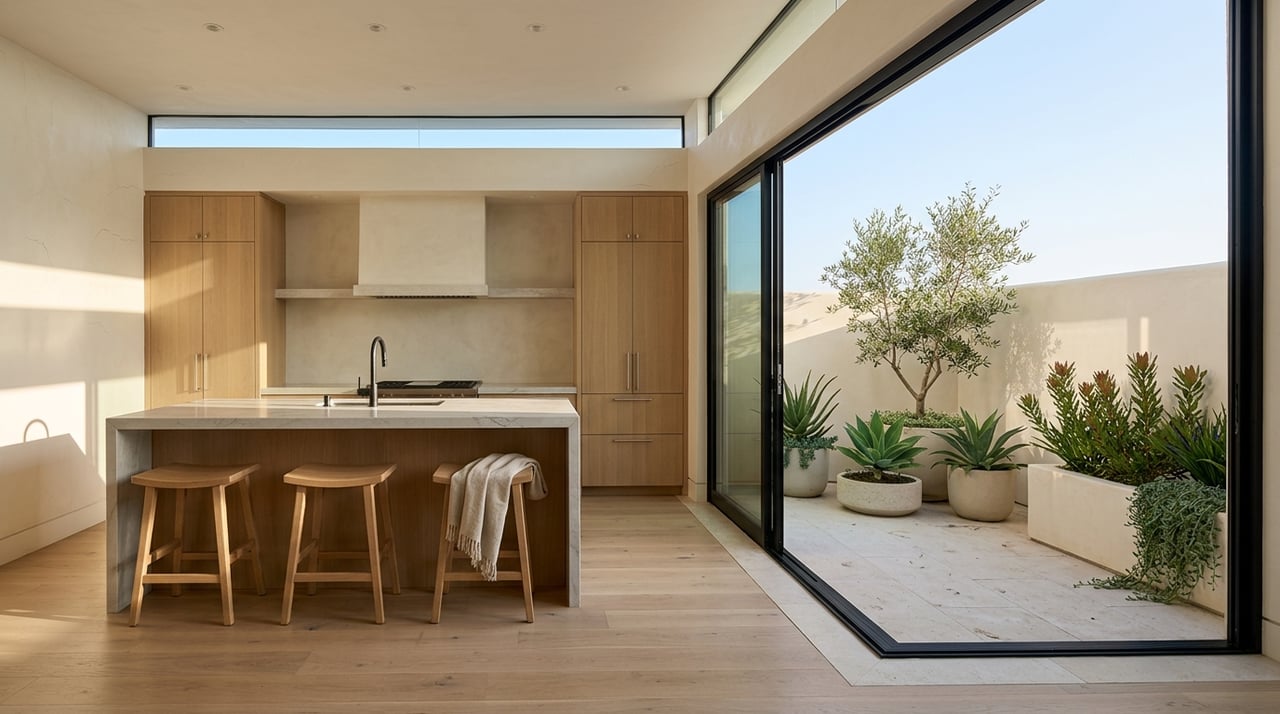
Wondering whether a second home in Laguna Beach is a dream purchase or a smart balance-sheet move? The truth is, it can be both, but only if you look past the ocean views and run the numbers with discipline. If you are weighing lifestyle, carrying costs, and long-term fit, this guide will help you think through the key decisions before you buy. Let’s dive in.
Why Laguna Beach Draws Second-Home Buyers
Laguna Beach offers a rare mix of coastline, outdoor access, and year-round cultural energy. The city describes itself as having seven miles of protected coastline, 22,000 acres of protected wilderness, and more than 100 galleries and studios. That combination makes it appealing if you want a home that feels both scenic and active.
It is also not a sleepy beach town in the strict sense. The city says its beaches attract more than six million visitors each year, which means your experience may feel lively and seasonal, especially during peak travel periods. For many second-home buyers, that is part of the appeal, but it should match how you actually plan to use the property.
Start With Your Use Case
Before you focus on a specific street or view corridor, define how the home needs to function for you. A second home can serve very different goals, such as weekend escapes, seasonal stays, long summer visits, or a future retirement transition. The right property depends on your pattern of use, not just the listing photos.
A practical first question is whether you want a lock-and-leave home or a more hands-on property. If you plan to come and go often, ease of maintenance, insurance access, HOA rules, and storage may matter just as much as square footage. If you expect longer stays, layout, privacy, and parking may move higher on your list.
Compare Laguna Beach Neighborhood Benchmarks
Laguna Beach is not one uniform market. Recent neighborhood snapshots show wide differences in pricing, inventory, and pace, which means the better question is often not whether to buy in Laguna Beach, but which area best fits your lifestyle and budget.
The Village for Walkability
The Village is described as a walkable community with local conveniences, parks, and schools nearby. Recent data showed a median home price of $3,589,500, with 13 homes for sale and 48 rentals. For many second-home buyers, it works well as a benchmark if you want easier access to daily activities and a more convenient beach-close setup.
North Laguna for Premium Coastal Positioning
North Laguna posted a median home price of $4,645,000, with 17 homes for sale and 39 rentals in a recent snapshot. This submarket can serve as a premium pricing reference point if your priority is a higher-end coastal location with relatively limited supply.
Laguna Cliffs and Arch Beach Heights for Entry Range
Laguna Cliffs showed a median home price of $2,690,000, with 8 homes for sale and 31 rentals. Arch Beach Heights came in at a median home price of $2,447,499, with 7 homes for sale and 11 rentals. These areas can be useful comparison points if you want to enter the Laguna Beach market below the highest-tier price bands while still staying in a premium coastal city.
Temple Hills and Top of the World for View-Oriented Options
Temple Hills showed a median home price of $3,772,500, with 10 homes for sale and 6 rentals. Top of the World showed a median home price of $3,372,500, with 9 homes for sale and 6 rentals. These areas are often part of the conversation when buyers are comparing hillside or view-oriented inventory.
Emerald Bay for Scarcity
Emerald Bay stands apart as an ultra-premium scarcity market rather than a broad-turnover neighborhood. Recent data showed 7 homes for sale, 15 rentals, and a median monthly rent benchmark of $28,000. If you are studying top-tier luxury supply, this is less about volume and more about rarity.
Condo or House Matters More Than You Think
For second-home buyers, the property type can shape the ownership experience as much as the location. A condo or townhome may offer a simpler lock-and-leave setup, while a detached home may offer more privacy, land, or flexibility. Neither is automatically better. It depends on how you want to live.
California officials note that homeowners associations are common in condominiums, planned communities, and many subdivisions. That means monthly dues, maintenance obligations, and CC&Rs should be part of your analysis from the start. If convenience is the goal, make sure the rules and fee structure actually support that goal.
Laguna Beach Pricing in Context
Laguna Beach is a premium market, and the numbers support that. Redfin reported a citywide median sale price of $2.75 million in March 2026, with a median sale price per square foot of $1,530 and median days on market of 46. In a separate recent period, Realtor.com showed a median listing price of $4.30 million.
That spread between listing and sale benchmarks tells you something important. In Laguna Beach, the headline asking price is only one part of the story. Your total ownership cost and your confidence in the specific asset matter just as much as the sticker price.
Model the True Carrying Cost
A smart second-home purchase starts with a full monthly and annual cost test. Too many buyers focus on mortgage payment alone and underestimate the other line items that can affect long-term comfort.
Your budget should account for:
- Purchase price
- Down payment
- Principal and interest
- Property taxes
- Homeowners insurance
- Possible supplemental coverage, such as flood or earthquake insurance
- HOA dues, if applicable
- Maintenance and home hardening costs
- Any special assessments or direct charges on the tax bill
The CFPB notes that lenders may look at debt-to-income ratio, income, assets, employment, credit history, and monthly expenses when evaluating affordability. Even if you are financially strong, it still helps to test the payment against your real lifestyle and cash-flow goals.
Property Taxes: Do the Math Early
Property taxes should be part of your model before you make an offer. On a $2.75 million purchase, the rough annual property tax floor is about $27,500 at California’s 1% base rate, before local bonds and special assessments. That floor gives you a starting point, not a final number.
California property tax is governed by Proposition 13, which generally limits the base rate to 1% plus voter-approved bonded indebtedness. A change in ownership or new construction can trigger reassessment, and supplemental tax bills may follow. In plain terms, your actual tax picture may be more layered than a quick online estimate suggests.
Orange County follows a familiar tax schedule. The first installment is due November 1 and becomes delinquent after December 10, while the second installment is due February 1 and becomes delinquent after April 10. County guidance also notes that tax bills may include direct charges or special assessments, so it is worth reviewing the bill line by line.
One more point matters for second-home buyers. California’s homeowners exemption applies to a qualifying owner-occupied principal residence, with a $7,000 reduction in taxable value. A second home in Laguna Beach generally should not be modeled with that savings.
Insurance Is a Core Buying Variable
In Laguna Beach, insurance is not a back-end detail. It is one of the main filters in the buying process. That is especially true because wildfire risk is a major public safety issue in the city.
Laguna Beach says wildfire risk is its number one public safety threat. The city’s 2025 hazard maps say 87% of land area and about 65% of buildable property fall within Very High Fire Hazard Severity Zones. For a second-home buyer, that means address-level risk, insurability, and home hardening should be reviewed before you get emotionally committed to a property.
Standard homeowners insurance also has limits you should understand. California officials state that standard policies do not cover earthquake, flood, or landslide damage. Flood insurance is separate from homeowners insurance, and the California Department of Insurance says the FAIR Plan is available when traditional market coverage is hard to obtain.
The California Department of Insurance also notes that FAIR Plan policyholders may qualify for wildfire hardening discounts. That creates a practical checklist for buyers:
- Review the property’s fire-zone exposure
- Ask about current insurance availability and cost
- Understand what a standard policy excludes
- Evaluate whether home hardening work may be needed
- Factor all of that into your total carrying cost
Be Careful With Rental Income Assumptions
Some second-home buyers hope rental income will offset ownership costs. In Laguna Beach, that idea needs to be tested against current city rules before you rely on it in your financial model.
The city’s short-term lodging ordinance took effect on July 1, 2025, with enforcement beginning October 1, 2025. Residential districts R-1, R-2, and R-3 no longer allow short-term lodging. The city also states that operators need a city license, business license, permit, and TOT registration, and that rentals must collect 12% TOT plus a 2% Tourism Marketing District assessment.
The city also says ADUs cannot be used as short-term rentals. So if part of your second-home strategy depends on vacation-rental income, legality is the first question, not the spreadsheet projection. A property that looks attractive on paper may not support the use you have in mind.
Think Micro-Market, Not Just Citywide Average
Long-term value in Laguna Beach tends to be highly property-specific. Recent neighborhood data showed different levels of inventory and pace within the same city. In one snapshot, The Village had 13 homes for sale and 98 days on market, North Laguna had 17 homes for sale and 127 days on market, Laguna Cliffs had 8 homes for sale and 105 days on market, and Arch Beach Heights had 7 homes for sale and 48 days on market.
That does not guarantee future performance, but it does support a useful takeaway. Scarcity is neighborhood-specific, and value is often driven by micro-location, property quality, and usability more than by a single citywide average. If you are buying with both lifestyle and equity in mind, that level of detail matters.
A Simple Framework for Buying Well
If you want to approach a Laguna Beach second-home purchase with both excitement and discipline, use a framework that balances emotion and analysis.
Ask These Five Questions
- Does the property fit how you will actually use it?
- Does the monthly payment still work after taxes, insurance, HOA dues, and maintenance?
- Is the address in a fire-sensitive or flood-sensitive area?
- If you want rental income, is that use legal under current city rules?
- Does the micro-location support your long-term goals better than nearby alternatives?
When you answer those questions honestly, you can usually spot the difference between a beautiful purchase and a well-structured one. In a market like Laguna Beach, that difference matters.
Buying a second home here should feel inspiring, but it should also feel clear. If you want help evaluating the lifestyle fit, carrying costs, and financial structure of a Laguna Beach purchase, connect with Jeff Engstrom for a tax-smart, numbers-first conversation.
FAQs
What is the median home price in Laguna Beach for second-home buyers?
- Redfin reported a citywide median sale price of $2.75 million in March 2026, while Realtor.com showed a median listing price of $4.30 million in a separate recent period, which highlights how important it is to analyze both pricing and total carrying costs.
What property taxes should you expect on a Laguna Beach second home?
- A rough annual property tax floor on a $2.75 million purchase is about $27,500 at the 1% statewide base rate, before local bonds, direct charges, and special assessments.
Does the California homeowners exemption apply to a Laguna Beach second home?
- No. California says the homeowners exemption applies to a qualifying owner-occupied principal residence, so a second home generally should not be modeled with that savings.
How does wildfire risk affect buying a second home in Laguna Beach?
- Laguna Beach says wildfire risk is its number one public safety threat, and the city’s 2025 hazard maps say 87% of land area and about 65% of buildable property are in Very High Fire Hazard Severity Zones, making insurance and home hardening key parts of due diligence.
Can you use a Laguna Beach second home as a short-term rental?
- It depends on the property and zoning, but residential districts R-1, R-2, and R-3 no longer allow short-term lodging under the city’s ordinance, and legal operation requires city licensing, permitting, and tax registration.
Are condos a good fit for a Laguna Beach second home?
- They can be, especially if you want a more lock-and-leave setup, but California officials note that HOAs are common in these properties, so dues and CC&Rs should be reviewed carefully before you buy.